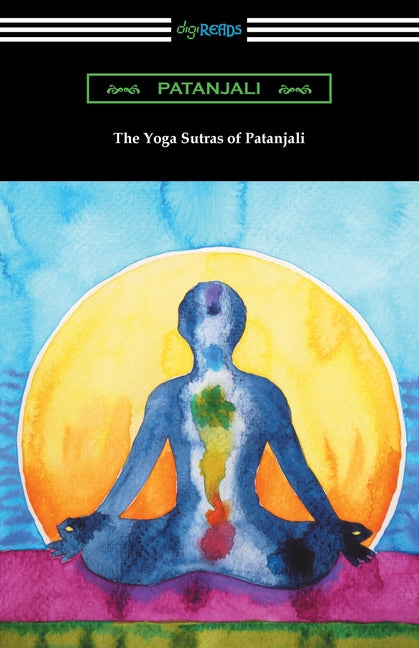
Patanjali
The Yoga Sutras of Patanjali
The Yoga Sutras of Patanjali
Couldn't load pickup availability
Patanjali's Yoga Sutras (Yogasutra)—the foundational text of classical yoga philosophy presenting a complete system of meditation, consciousness, and spiritual liberation through 196 concise aphorisms that have guided contemplative practice for over 1,600 years.
Patanjali (c. 400 CE) composed the Yoga Sutras as a systematic codification of yoga philosophy and practice, distilling centuries of yogic wisdom into precise, memorable verses (sutras). This text is not about physical postures (asana) but about the science of consciousness—how to still the fluctuations of mind, cultivate one-pointed concentration, and achieve liberation (kaivalya) through the direct realization of one's true nature. The Yoga Sutras remain the authoritative classical text on yoga philosophy and meditation practice across all traditions.
What you'll discover:
- The famous opening: 'Yoga is the stilling of the fluctuations of the mind'
- The eight limbs (ashtanga) of yoga: ethical foundations, posture, breath, sense withdrawal, concentration, meditation, and absorption
- Samadhi—states of meditative absorption and the path to liberation
- The nature of consciousness, mental modifications, and the witness (purusha)
- Obstacles to practice and how to overcome them
- The relationship between practice (abhyasa) and non-attachment (vairagya)
- Supernatural powers (siddhis) and why they are distractions from liberation
- The distinction between consciousness (purusha) and nature (prakriti)
The Yoga Sutras are organized into four chapters (padas): Samadhi Pada explores the nature of yoga and states of absorption; Sadhana Pada presents the practical path of the eight limbs; Vibhuti Pada discusses supernatural powers that arise from practice; and Kaivalya Pada explains liberation as the recognition of consciousness distinct from nature. Each sutra is a condensed teaching meant to be memorized, contemplated, and unpacked through study with a teacher.
What makes this text essential for your contemplative library is its systematic clarity and practical applicability. Patanjali doesn't present yoga as mystical or esoteric but as a precise science of consciousness with observable stages and verifiable results. He outlines the obstacles (distraction, doubt, laziness, craving, delusion) and provides remedies. He explains how concentration (dharana) deepens into meditation (dhyana) and finally absorption (samadhi). He shows how ethical conduct (yamas and niyamas) creates the foundation for deeper practice.
The eight limbs of yoga provide a complete framework for spiritual development: yamas (ethical restraints—non-violence, truthfulness, non-stealing, continence, non-possessiveness), niyamas (observances—purity, contentment, discipline, self-study, surrender to the divine), asana (steady posture), pranayama (breath regulation), pratyahara (sense withdrawal), dharana (concentration), dhyana (meditation), and samadhi (absorption). This systematic path moves from outer conduct to inner realization, from ethical foundation to liberating insight.
Patanjali's philosophy distinguishes between purusha (pure consciousness, the witness) and prakriti (nature, including mind and body). Suffering arises from mistakenly identifying consciousness with mental modifications—thoughts, emotions, sensations. Liberation comes through discriminative wisdom (viveka) that recognizes consciousness as distinct from all changing phenomena. This recognition, stabilized through meditation, leads to kaivalya—the isolation or independence of consciousness in its own nature.
The Yoga Sutras have profoundly influenced Hindu, Buddhist, and Jain contemplative traditions and continue to guide meditation practice worldwide. The text's insights resonate with contemporary psychology, neuroscience, and mindfulness-based therapies, offering timeless wisdom on attention, consciousness, and mental training. Whether you practice yoga, meditation, or contemplative inquiry, the Yoga Sutras provide essential guidance on the path to inner freedom.
This accessible edition presents a clear translation of Patanjali's complete text, making this foundational work available to contemporary readers seeking to understand the philosophical and contemplative foundations of yoga beyond physical practice.
Perfect for: Practitioners of yoga and meditation seeking philosophical foundations, students of Eastern philosophy and Hindu contemplative traditions, those interested in the classical eight-limbed path of yoga, readers exploring consciousness, attention, and mental training, students of comparative contemplative traditions, anyone practicing concentration and mindfulness meditation, serious yoga practitioners wanting to deepen beyond asana, and contemplative readers seeking systematic guidance on stilling the mind and achieving liberation.
This paperback edition presents Patanjali's complete Yoga Sutras—the classical text that has guided yogic practice and meditation for over sixteen centuries, offering timeless wisdom on consciousness and liberation.
Share