Gyurme Dorje
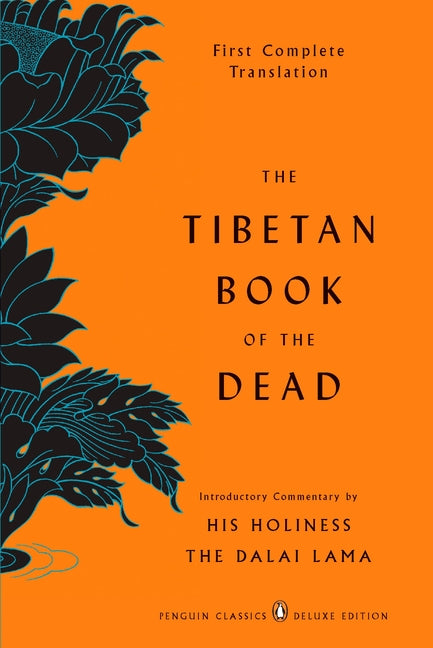
The Tibetan Book of the Dead: First Complete Translation (Penguin Classics Deluxe Edition)
The Tibetan Book of the Dead: First Complete Translation (Penguin Classics Deluxe Edition)
Couldn't load pickup availability
What is the nature of consciousness, and what happens when we die? The Tibetan Book of the Dead (Bardo Thodol, or "Liberation Through Hearing in the Intermediate State") is one of the most profound and influential texts in Tibetan Buddhism—a detailed guide to the journey through death, the intermediate state (bardo), and rebirth. Composed in the 8th century and attributed to the great master Padmasambhava, the text was hidden as a terma (treasure teaching) and revealed centuries later to guide practitioners through the dissolution of consciousness at death and the visions that arise in the bardo. Far more than a funerary text, the Bardo Thodol offers profound teachings on the nature of mind, the process of dying, and the opportunity for liberation that exists at every moment—in life, in death, and in the transitional states between.
The text describes three bardos: the bardo of dying (chikhai bardo), when consciousness separates from the body; the bardo of dharmata (chonyid bardo), when the luminous nature of mind manifests as peaceful and wrathful deities; and the bardo of becoming (sidpa bardo), when consciousness seeks rebirth according to karmic propensities. At each stage, the text provides instructions for recognizing the true nature of mind and attaining liberation, or at least securing a favorable rebirth. The peaceful and wrathful deities that appear are not external beings but projections of one's own consciousness—the radiant clarity and emptiness of mind manifesting in symbolic form. If the dying person can recognize these visions as their own mind, liberation is immediate. The text is traditionally read aloud to the dying and deceased to guide them through these states, but its teachings also illuminate the nature of consciousness in daily life, showing that every moment offers the same opportunity for awakening.
For contemplative readers, The Tibetan Book of the Dead offers profound meditation on consciousness, impermanence, and the continuity of awareness beyond physical death. The work asks: What is the nature of mind when stripped of body and conceptual thought? How do we prepare for death through practice in life? What does it mean that the visions of the bardo are projections of our own consciousness? How do we recognize the clear light of mind in the midst of dissolution and transformation? What is the relationship between how we live and how we die? How do we help those who are dying to navigate this transition with awareness and compassion? The text becomes essential reading for anyone exploring Tibetan Buddhism, consciousness studies, or the contemplative approach to mortality—offering not fear but profound insight into the nature of mind and the possibility of liberation.
What You'll Discover
- The first complete English translation of this classic Tibetan Buddhist text
- Detailed descriptions of the three bardos: dying, dharmata, and becoming
- Teachings on the peaceful and wrathful deities as projections of consciousness
- Instructions for recognizing the clear light of mind and attaining liberation
- Guidance on helping the dying and coping with bereavement
- Practices that transform our experience of daily life and impermanence
- Foreword by His Holiness The Dalai Lama
- Authoritative translation by Gyurme Dorje with support of contemporary masters
The Bardo Thodol is attributed to Padmasambhava (8th century), the Indian master who established Buddhism in Tibet, though it was revealed as a terma (hidden treasure teaching) by Karma Lingpa in the 14th century. Gyurme Dorje (1950–2020) was a leading scholar of Tibetan language, culture, and Buddhism who worked closely with contemporary Tibetan masters to produce this first complete English translation. Hailed as "a tremendous accomplishment" and "immaculately rendered in an English both graceful and precise," this Penguin Classics Deluxe Edition includes extensive introductions, notes, and commentary that make this profound text accessible to modern readers while preserving its depth and authenticity.
Perfect for: Students of Tibetan Buddhism and Buddhist philosophy, contemplative readers exploring death, dying, and consciousness, practitioners of meditation seeking to understand the nature of mind, those interested in the bardo teachings and Vajrayana Buddhism, caregivers and hospice workers supporting the dying, scholars of comparative religion and consciousness studies, anyone drawn to profound wisdom on mortality, impermanence, and liberation.
Paperback Deluxe Edition. Padmasambhava's profound guide to consciousness, death, and liberation—offering contemplative wisdom on the journey through the bardos and the recognition of mind's true nature in life and death.
Share